

Pis bolong or Ancient Chinese Coints (kepeng money) have become money transactions tool in Bali in the past. Called Pis Bolong means money with hollows. The Shape is round, flat,hollow at its center and Chinese written characters on both sides, mostly made from copper. In Bali, this “pis bolong” or kepeng money still has a function in the […]

I. INTRODUCTION The Balinese belief and worship of Hindu Dharma in Bali governs all the activities of the daily life of the Balinese. The three basic fundamentals of Hindu Dharma are Yadnya (rituals), Tattwa (philosophy) and Susila (moral behaviour), which are interacted to form Balinese culture. Hindu religion is originated from India. The practice of the Philosophy in […]
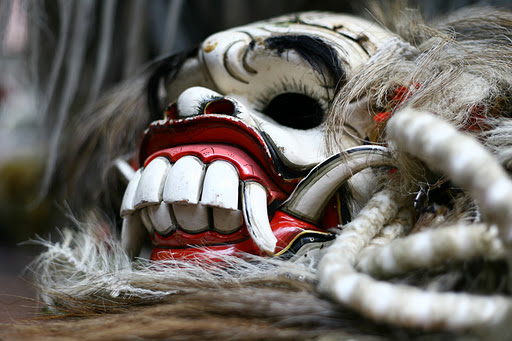
In Bali the power of ‘teluh desti terangjana‘ (Balinese High Powerful Black Magic) or Balinese Voodoo use some facilities. Including timber which is made to resemble the human form. Then given offerings and spells to harm the targeted person. And if a quick glance at the far side, then in some African countries there is same rituals as […]
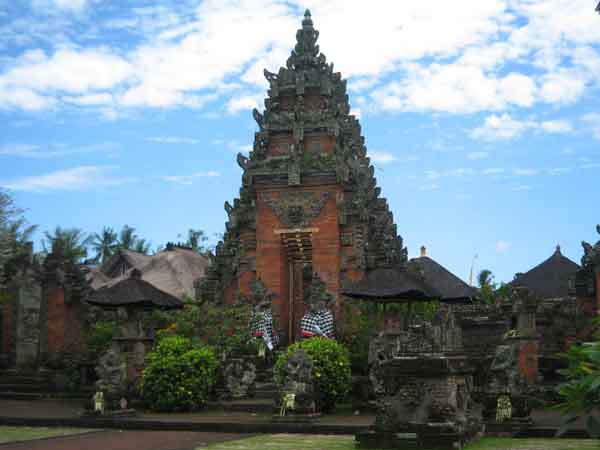
These types of Territorial Temples are those built as territorial unity, functioned as places of worship for a group of people bound by one territory in a community, called customary village. Customary village typically has 3 sets of temples called Kahyangan Tiga temples or Kahyangan Desa Temples to worship Trimurthi, they are :

Subak is Bali Irrigation System that has been used for hundred of years in Bali. This system aims to ensure that the water is fairly distributed during the dry season. The system is ancient and the first reference to a “subak” in text occured in 1022!

Siwa Ratri Day (Shiva Latri) means “Night of Siwa”, is a holy day to begthe forgiveness of sins before Hyang Widhi Wasa. The feast is also called the night of Siwa Ratri penance. This feast fell on Purwaning Tilem Sasih Kepitu

All Balinese people’s life aspects are personalized by Hinduism (especially those who are adhered Hindus. Shrine standing on each rice field is one to worship Dewi Sri, God in His manifestation to give welfare for the rice field

The Selendang (Waist Sash) symbolically ties of the lower appetites. It is obligatory for anyone entering a temple to wear one. A white outfit with a selendang is worn by the priest when performing holy duties.
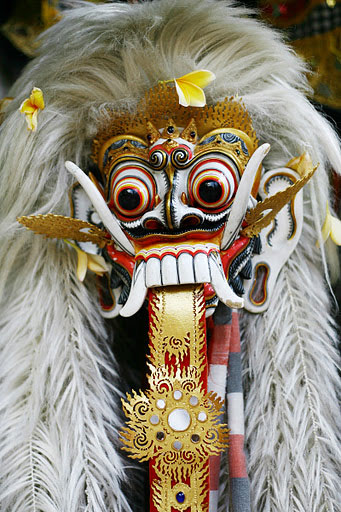
Rangda derived from ancient Javanese language means widow and is the widow of the group called Tri Wangsa (Wesya, Knight and Brahmins). In Balinese mythology, Rangda is Queen of the Leak was told often kidnap and eat children and lead an army against the wicked witch Barong (a symbol of the forces of good).

The main characteristic of these Public Temple is their use to worship God, Hyang Widhi (Brahman) in this various forms or ‘Ista Dewata’ by Hindus community not only those from Bali but also from somewhere else. Public Temples are also called ‘Khayangan Jagat Temples’ with their typical and general characteristics such as :
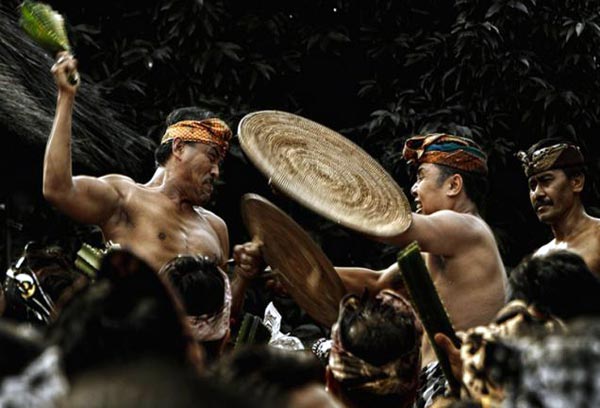
Perang Pandan or it is locally in Tenganan Pegeringsingan known as “mekare-karean” as a part of the Ngusaba Ceremony. Perang Pandan means Pandanous War, this is a ceremonial fight as well. These duel among a group of men each armed with two pieces of thorny pandanous leaves and plated rattan as the armor as part of the rituals […]

Pagerwesi feast for Hindus in the mean as a day to enclose or confine themselves. Name of the Lord is venerated in this feast is Sang Hyang Pramesti Guru, which is another name of Lord Shiva as a manifestation of God to assimilate all that bad. In his capacity as Sang Hyang Pramesti Guru, he became a teacher […]